

Live theater thrives on its ability to transport audiences into new worlds; technology amplifies this magic. Three innovative tools—3D modeling, projection mapping, and smart costumes—are revolutionizing stagecraft. They enable dynamic, responsive, and cost-effective visual storytelling, making performances more immersive and accessible.
3D Modeling: Precision and Creativity in Set Design
What is 3D modeling?
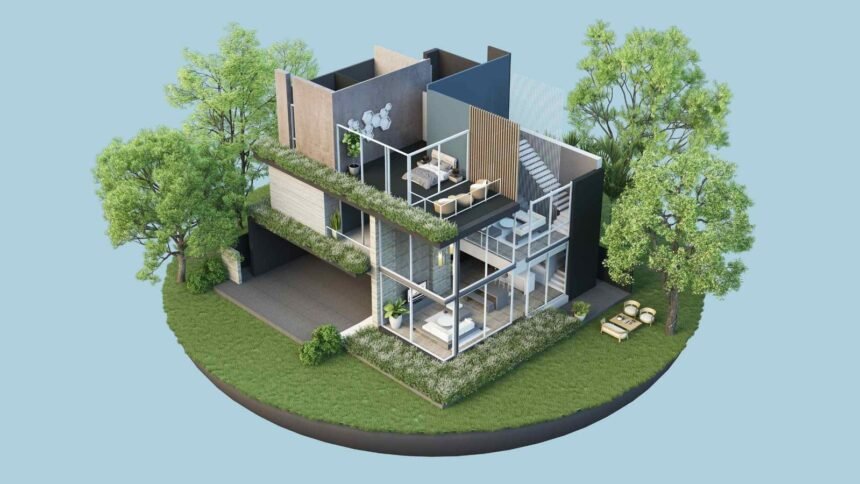
3D modeling involves creating three-dimensional digital representations of objects or environments using software like Blender or Autodesk Maya. In theater, it’s used to design sets, props, and sometimes costumes, allowing designers to visualize and refine their ideas before physical production begins.
Applications in Stagecraft
3D modeling streamlines the design process by enabling precise planning. Designers can experiment with layouts, materials, and scales digitally, reducing the need for costly physical prototypes. For instance, the opera Fra Diavolo at Teatro Dell’Opera di Roma featured the first entirely 3D-printed set, showcasing complex designs that were both cost-effective and visually striking. The Royal Shakespeare Company also used AI-assisted 3D modeling for The Tempest, creating a dynamic set that adapted to actors’ movements, enhancing the play’s magical atmosphere.
Beyond sets, 3D modeling is used for props and costumes. For example, middle school students in a 2016 production of Four Japanese Ghost Stories used 3D modeling and printing to create Oni demon masks, which were lighter and more comfortable than traditional masks.
Benefits
- Cost-Effectiveness: Digital models reduce the need for physical prototypes, saving materials and labor.
- Precision: Designers can ensure sets fit perfectly within stage dimensions, minimizing errors.
- Collaboration: 3D models can be shared with directors, lighting designers, and other team members, fostering better communication.
- Sustainability: By reducing waste, 3D modeling aligns with eco-friendly practices, as noted in the Theatre Green Book.
Table: 3D Modeling in Theater Productions
| Production | Technology Used | Impact |
| Fra Diavolo (Teatro Dell’Opera di Roma) | 3D Printing | First fully 3D-printed set, cost-effective and intricate |
| The Tempest (Royal Shakespeare Company) | AI-assisted 3D Modeling | Dynamic, responsive set enhancing magical atmosphere |
| Four Japanese Ghost Stories | 3D Modeling and Printing | Lightweight, custom Oni masks for actors |
Projection Mapping: Dynamic and Immersive Visuals
What is projection mapping?
Projection mapping uses projectors to display images or videos onto surfaces, creating the illusion that the surface itself is transforming. In theater, it’s used to create dynamic backgrounds, enhance physical sets, or even project visuals onto actors and costumes.
Applications in Stagecraft
Projection mapping has been a game-changer since its early use in the 1984 Broadway musical Sunday in the Park With George, where it projected moving images onto a spherical object for a special effects sequence. Today, it’s a staple in many productions. For example:
- Hamilton: Uses large LED screens and projection mapping to create immersive historical settings, transporting audiences through time.
- Aladdin: Employs projection mapping to bring magical elements like flying carpets to life, enhancing the visual spectacle.
- General Trends: Many theaters use projection mapping to replace physical scenery, as discussed in a Reddit thread where professionals shared examples of projections used in place of traditional sets.
Projection mapping can also create interactive effects, such as visuals that respond to actors’ movements, adding a layer of immersion.
Benefits
- Flexibility: Scenes can change instantly, eliminating the need for physical set changes.
- Cost Savings: Reduces the need for bulky sets, saving on construction and storage costs.
- Creative Freedom: Enables complex or abstract visuals that would be difficult with traditional methods.
- Immersive Storytelling: Enhances emotional impact by reflecting characters’ inner states or thematic elements.
Smart Costumes: Interactive and Expressive Attire
What are smart costumes?
Smart costumes incorporate technology, such as LED lights, sensors, or other interactive elements, to enhance visual effects. While more common in dance, performance art, and events, they are beginning to influence theater, particularly in experimental or avant-garde productions.
Applications in Stagecraft
Smart costumes, especially those with LED lights, can change color, pattern, or intensity, syncing with music, movement, or narrative cues. For example, companies like Etereshop create LED costumes inspired by films like Tron: Legacy, used in performances to create futuristic or otherworldly characters. In theater, such costumes are used sparingly but have potential for significant impact.
While specific examples in traditional theater are limited, avant-garde productions have experimented with LED costumes to represent glowing armor or illuminated robes, enhancing visual storytelling. For instance, Carrie Underwood’s performance at the 55th Grammy Awards used projection mapping on her dress, which transformed with images like butterflies and roses, hinting at the potential for similar effects in theater.
Benefits
- Dynamic Visuals: Costumes can change appearance, adding depth to character portrayal.
- Interactivity: Can respond to stage elements like sound or movement, creating immersive effects.
- Spectacle: Enhances the visual appeal, particularly for fantastical or futuristic settings.
Smart Costumes in Performance Arts
| Production/Event | Technology Used | Impact |
| Carrie Underwood (55th Grammy Awards) | Projection Mapping on Dress | Dress transformed with dynamic images |
| Experimental Theater | LED Costumes | Futuristic or otherworldly character effects |
| Dance Performances | LED Costumes | Sync with music and choreography for visual impact |
The Future of Stagecraft: A Seamless Blend of Technologies
Integration Potential
The future of stagecraft lies in combining 3D modeling, projection mapping, and smart costumes to create fully immersive performances. Imagine a production where a 3D-modeled set is animated with projection mapping, and actors wear smart costumes that interact with the projected environment. This could create a seamless, responsive world where every element enhances the story.
Technological Advancements
- Motion tracking and AI: Could enable real-time interactions between sets, costumes, and actors.
- Augmented Reality (AR): Might allow audiences to experience additional digital layers through AR glasses, as explored in accessibility solutions like surtitling glasses.
- Sustainability: Technologies like 3D printing and LED lighting align with eco-friendly practices, reducing waste and energy consumption.
Challenges and Considerations
While these technologies enhance creativity, they also require new skills and investment. Traditional stagecraft roles, like set building or costume sewing, may evolve, necessitating training in digital tools. The Theatre Green Book highlights the need to balance digital innovation with sustainability, questioning the environmental impact of data centers used for 3D modeling.
3D modeling, projection mapping, and smart costumes are transforming stagecraft, offering new ways to create dynamic, responsive, and cost-effective performances. From the 3D-printed sets of Fra Diavolo to the immersive projections of Hamilton and the emerging use of LED costumes, these technologies are pushing the boundaries of theater. As they continue to evolve and integrate, they promise to create experiences that captivate audiences and redefine live performance. Theater professionals must embrace these tools while preserving the artistry of traditional stagecraft, ensuring a vibrant future for this timeless art form.