


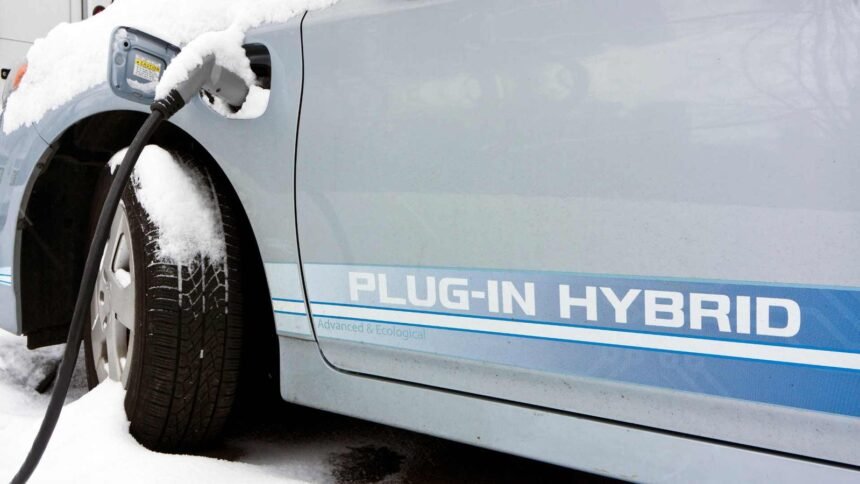
In 2025, the automotive industry is at a turning point, with hybrid and electric cars leading the charge toward sustainable transportation. As concerns about climate change, air pollution, and energy security grow, these vehicles are moving from niche to mainstream.
The Evolution of Hybrid and Electric Vehicles
The origins of hybrid and electric vehicles can be traced back to the late nineteenth century, when electric cars provided a quiet alternative to horse-drawn carriages. However, it was not until the late twentieth century that they received widespread attention. The Toyota Prius, introduced in 1997, was the first mass-produced hybrid, combining a gasoline engine and an electric motor to increase fuel efficiency. This innovation paved the way for modern hybrids.
Electric vehicles took longer to catch on. The Tesla Roadster, introduced in 2008, demonstrated that EVs could deliver impressive range and performance, reigniting interest. Since then, advances in battery technology and charging infrastructure have fueled rapid expansion. According to the International Energy Agency, electric vehicle sales nearly doubled between 2020 and 2021, reaching 6.6 million units, with more than 16.5 million EVs on the road worldwide.
In 2025, the momentum is stronger than ever. Projections suggest electrified vehicles—hybrids, plug-in hybrids, and fully electric cars—could account for 25% of new vehicle purchases worldwide, up from 20% in 2024. In China, EV sales are expected to surpass internal combustion engine (ICE) vehicles for the first time, with 65% of global EV sales occurring there. Developing countries are also joining the shift, with the United Nations Environment Programme (UNEP) predicting that EVs will go mainstream in low- and middle-income nations due to price parity with petrol and diesel vehicles.
Recent technological advancements are fueling this growth. Battery innovations, such as CATL’s Shenxing Plus, offer a 600 km range after just 10 minutes of charging, while Nyobolt’s prototype achieves an 80% charge in under 5 minutes. These developments are making EVs more practical for everyday use.
Advantages of Hybrid and Electric Cars
Hybrid and electric cars offer compelling benefits, making them attractive to consumers, businesses, and policymakers. These advantages span environmental, economic, and performance aspects.
Environmental Benefits
Hybrids and EVs significantly reduce greenhouse gas emissions compared to ICE vehicles. Strong hybrids, as noted by the International Council on Clean Transportation, achieve the maximum greenhouse gas reductions possible for non-plug-in vehicles. Fully electric vehicles produce zero tailpipe emissions, helping combat climate change and improve air quality in urban areas. For example, cities like Beijing and Kigali are seeing cleaner air due to increased EV adoption. As electricity grids shift to renewable sources, the environmental impact of EVs will further decrease.
Economic Benefits
While hybrids and EVs may have higher upfront costs, their long-term savings are substantial. Electric vehicles run on electricity, which is cheaper than gasoline or diesel. Maintenance costs are also lower, as EVs have fewer moving parts and do not require oil changes. For instance, the International Council on Clean Transportation highlights that strong hybrids are cost-effective for both consumers and automakers, with costs expected to decline further.
Government incentives make these vehicles even more affordable. In the UK, Vehicle Excise Duty (VED) increases for petrol, diesel, and hybrid vehicles, effective April 2025, will raise costs for diesel buyers by an average of £1,114 and petrol buyers by £503, while EVs remain exempt. In the US, a $7,500 federal tax credit is available for qualifying EVs, though this may change under new administrations. States like California offer an additional $7,500 in credits.
Performance and Convenience
Electric vehicles often outperform ICE cars in acceleration due to instant torque from electric motors. The Lucid Air, a top-rated EV for 2025, accelerates from 0 to 60 mph in just 1.89 seconds and offers a 512-mile range. Hybrids, like the Toyota Camry, achieve 51 mpg combined, balancing efficiency and performance.
EVs also provide the convenience of home charging, which eliminates trips to gas stations. Fast-charging technology is advancing, with models like the Hyundai Ioniq 6 offering a 342-mile range and rapid charging in 18 minutes. Hybrids provide flexibility, switching between electric and gasoline power for longer trips where charging infrastructure is limited.
| Vehicle Type | Model (2025) | Key Advantages | Price | Electric Range (miles) | MPG-equivalent/Combined MPG |
| Electric SUV | Hyundai Ioniq 5 | Spacious, quick, 131 MPGe city | $42,600 | 318 (RWD) | 131 MPGe city |
| Electric Car | Hyundai Ioniq 6 | 342-mile range, rapid charging | $37,850 | 342 | – |
| Hybrid Car | Toyota Camry | 51 mpg, attractive interior | $28,700 | – | 51 mpg combined |
Challenges and Limitations
Despite their advantages, hybrid and electric cars face challenges that could slow their adoption.
Range Anxiety and Charging Infrastructure
Range anxiety remains a concern for EV drivers, particularly for long-distance travel. While models like the Hyundai Ioniq 5 offer ranges up to 318 miles, not all EVs meet this standard. Charging infrastructure is another hurdle, especially in developing countries with limited electricity access. However, solutions like battery-swapping stations are gaining traction in Africa, allowing drivers to exchange depleted batteries quickly.
Higher Initial Costs
EVs and hybrids typically have higher upfront costs than ICE vehicles, though falling battery prices are closing the gap. In the UK, affordable EVs like the Dacia Spring Electric start at £14,995, making them accessible to more consumers. Government incentives also help offset costs.
Hybrids’ Reliance on Fossil Fuels
Hybrids, while more efficient than ICE vehicles, still rely on gasoline or diesel, limiting their environmental benefits compared to EVs. However, they serve as a practical transition for consumers not yet ready for fully electric vehicles.
Future Prospects
The future of hybrid and electric cars is promising, with technological, market, and policy developments driving growth. Battery technology continues to advance, with faster charging and longer ranges on the horizon. By 2030, the IEA predicts electric vehicle sales could reach 40% of new car sales globally.
Market expansion is particularly notable in developing countries, where UNEP is supporting over 60 nations in their EV transition. This shift could create green jobs, reduce air pollution, and support renewable energy adoption. In China, EV dominance is expected to continue, while regions like West Africa and Southeast Asia are seeing rapid growth in electric motorcycles.
Policy frameworks will play a critical role. Strengthening fleet-average emissions standards or implementing ICE-only regulations could accelerate hybrid and EV adoption. Policies like the US Inflation Reduction Act are also incentivizing domestic manufacturing, with companies like VinFast planning to produce 150,000 vehicles annually in the US by 2025.
In 2025, hybrid and electric cars are not just the future—they are the present. With advancements in technology, growing market share, and supportive policies, these vehicles are transforming the automotive industry. Their environmental, economic, and performance benefits make them a compelling choice for consumers worldwide. While challenges like range anxiety and infrastructure gaps remain, the trajectory is clear: hybrid and electric cars are paving the way for a cleaner, more sustainable future. As automakers, governments, and consumers continue to embrace this shift, the road ahead looks increasingly electric.