



If you’ve checked the markets this week, you already know things are getting a little chaotic. With Oil at $100 and tensions boiling over in the Middle East, we’re seeing a classic flight to safety, and the US dollar surge is becoming one of the biggest stories in global markets right now.
Oil Smashes Through the $100 Barrier
For the first time since 2022, crude oil just blew past the $100-a-barrel mark. With Oil at $100, traders are suddenly paying close attention to one critical chokepoint, the Strait of Hormuz. Roughly 20% of the world’s oil flows through that narrow shipping lane. Any serious threat to that route means supply could get squeezed quickly, and prices can spike even further. Naturally, the fallout from the Iran conflict is already rippling across equities, commodities, and currencies.
The Dollar Becomes the Safe Haven
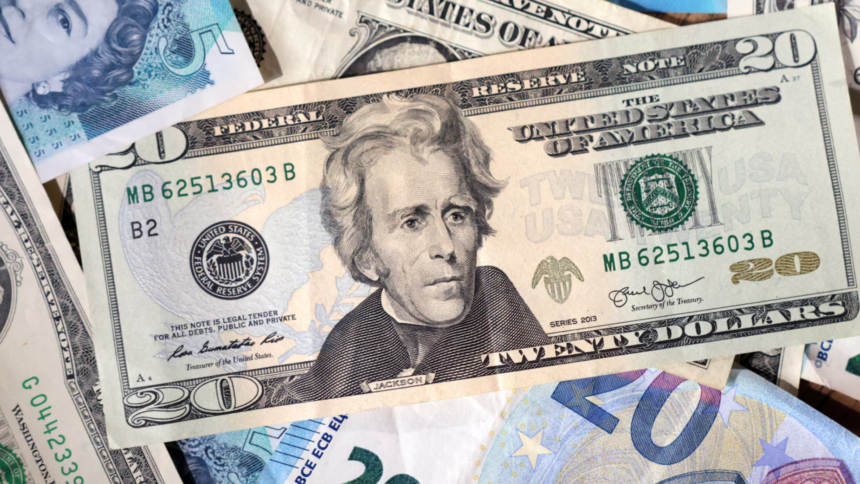
When panic sets in, global investors want cash specifically, greenbacks. The US dollar surge has been visible across currency markets over the last few days. The euro slipped to around $1.15, marking a three-month low, while the British pound also weakened. Even risk-sensitive currencies like the Australian dollar are under pressure as investors pull money out of growth-linked assets and move toward safer positions.
$100 Oil Means an Inflation Headache
But here’s the bigger issue: Oil at $100 isn’t just a Wall Street problem. It quickly becomes an inflation headache for the broader economy. Higher energy costs spread through supply chains, affecting manufacturing, transportation, and eventually the price consumers pay at the gas pump.
The Federal Reserve’s Policy Dilemma
This puts the Federal Reserve in a tricky position. Markets have been closely watching for signs of interest-rate cuts later this year. However, an energy-driven inflation spike could complicate that plan. Policymakers will likely study upcoming inflation data very carefully before deciding whether rate cuts are still possible.
Brace for More Market Volatility
For now, don’t expect the turbulence to disappear anytime soon. As long as the Middle East remains a geopolitical wildcard, markets are likely to react sharply to every headline. The combination of triple-digit oil prices, global uncertainty, and the continuing US dollar surge suggests investors may need to brace for a volatile few weeks ahead.