


Take a look at the average American bathroom shelf right now. Chances are you’ll find a sheet mask from Seoul, a bottle of green tea serum, and maybe a tub of snail mucin, a product that, five years ago, most people would’ve thrown across the room. Korean, Japanese, and Thai wellness culture has quietly embedded itself into how Americans sleep, eat, move, and care for their skin. And it’s not slowing down.
- Korean Wellness: The Glass-Skin Revolution That Rewrote the American Bathroom
- Why K-Beauty Took Over American Skincare
- TikTok Didn’t Start It – It Just Lit the Fuse
- What Is Shinrin-Yoku – And Why Are Americans Obsessed?
- The Science Behind the Trees
- Thai Wellness: More Than a Massage
- What Ties Korean, Japanese, and Thai Wellness Together
- The Bigger Shift Happening in American Wellness
This isn’t the usual “exotic trend” cycle where something goes viral, peaks, and disappears by summer. The wellness philosophies coming out of East and Southeast Asia are rooted in centuries-old practice, backed by a surprising amount of science, and increasingly adopted by people who’ve simply run out of patience with Western quick-fix culture.
Korean Wellness: The Glass-Skin Revolution That Rewrote the American Bathroom
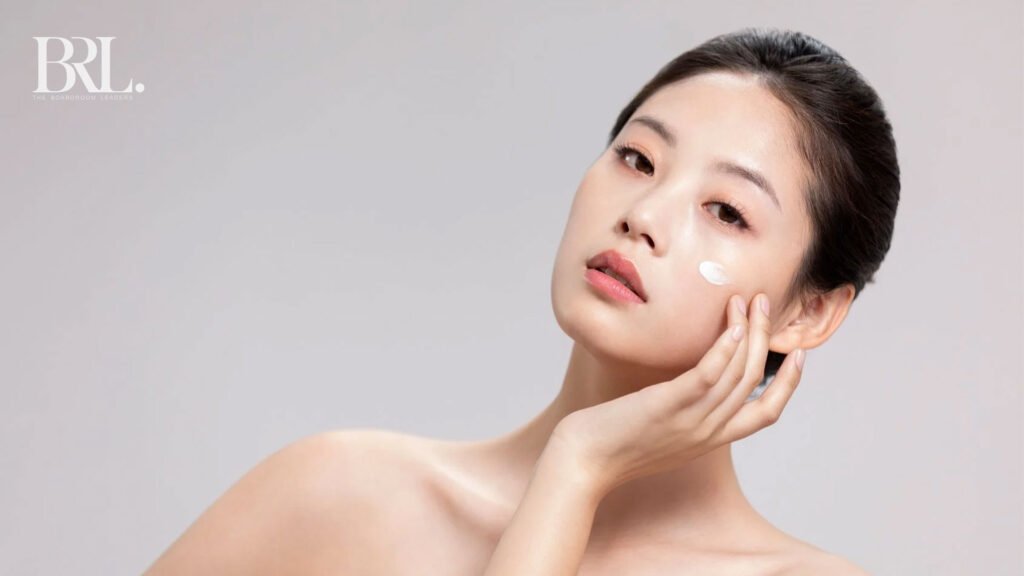
Walk into any Ulta or Sephora today, and you’ll find an entire wall dedicated to K-beauty, essences, toners, ampoules, and sunscreens that most American consumers couldn’t have named in 2018. U.S. sales of Korean cosmetics are expected to exceed $2 billion in 2025, up more than 37% from the previous year, a pace that makes the broader beauty market’s single-digit growth look almost sleepy.
That’s not a coincidence. Korean beauty isn’t selling products. It’s selling a philosophy: skincare as ritual, not correction. The Korean approach treats your skin the way you’d treat a long-term relationship, with consistency, gentleness, and a lot of patience. K-beauty encourages a slow-layering, hydration-first method, adjusting based on how your skin feels day to day, rather than rigid scheduling of harsh activities. It sounds obvious when you say it out loud. And yet, somehow, it took an ocean of snail mucin to make Americans consider it. Bostonmedicalaesthetics
Why K-Beauty Took Over American Skincare
The short answer? It worked, and it was affordable. But the long answer is more interesting.
In 2025, K-beauty entered what industry analysts are calling its “second golden era,” characterized by record market growth and deeply embedded influence on American skincare culture. In the first half of 2025 alone, South Korea shipped a record $5.5 billion worth of cosmetics to the U.S., surpassing France as the leading exporter of cosmetics to American consumers.
The philosophy driving all of this, called hanbang in its traditional form, draws on centuries of Korean herbal medicine: fermented ingredients, ginseng, green tea, and mugwort used not to treat disease, but to prevent it. That preventive mindset resonates hard with a generation of Americans who are tired of being reactive about their health.
TikTok Didn’t Start It – It Just Lit the Fuse
More than 250 million views per week are now tied to hashtags like “K-beauty” and “Korean skincare,” according to data from Spate. But digital virality doesn’t explain why people keep coming back month after month. Products like COSRX snail mucin and Laneige lip masks have built genuine loyalty, not just hype cycles.
NielsenIQ data shows that 70% of K-beauty sales now happen online, with TikTok Shop contributing significantly to brand visibility and conversion. Ulta’s Q1 2025 report flagged a 38% jump in Korean skincare sales. Sephora’s Times Square flagship now features dedicated wall space for Korean heritage brands. Even Costco has joined in. This is mainstream, not a niche moment.
What Is Shinrin-Yoku – And Why Are Americans Obsessed?
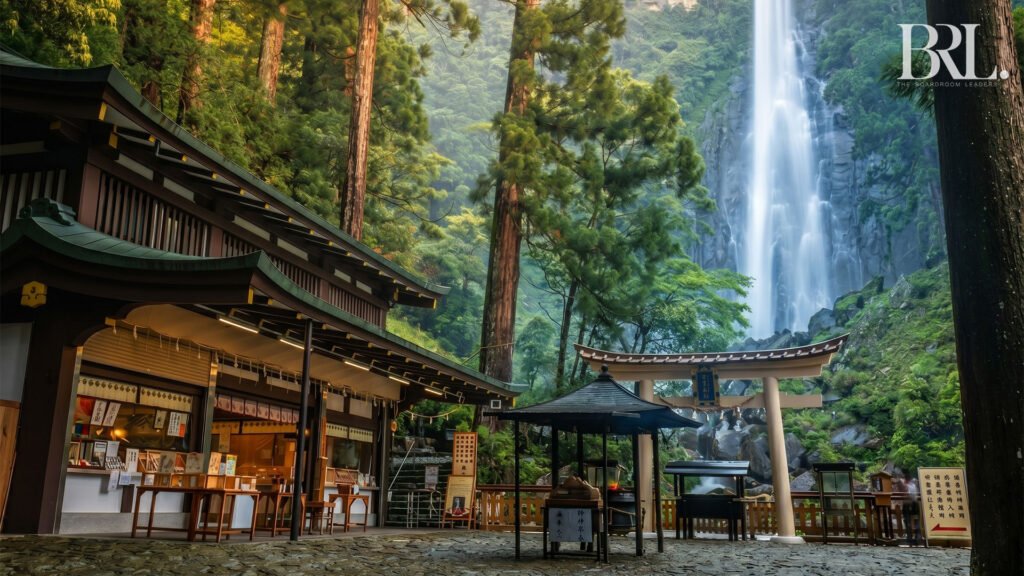
Shinrin-yoku, or “forest bathing,” is a Japanese wellness practice that involves walking slowly through a forest and using all five senses to absorb the environment, no fitness targets, no podcasts, no phones. Research has linked it to reduced cortisol levels, lower blood pressure, and measurable increases in immune function. It costs nothing. And it’s spreading rapidly across the United States.
The practice has gained particular popularity in California, and can be seen alongside other East-to-West wellness adoptions like yoga and meditation, movements that started as cultural curiosities and became mainstream health staples.
The Science Behind the Trees
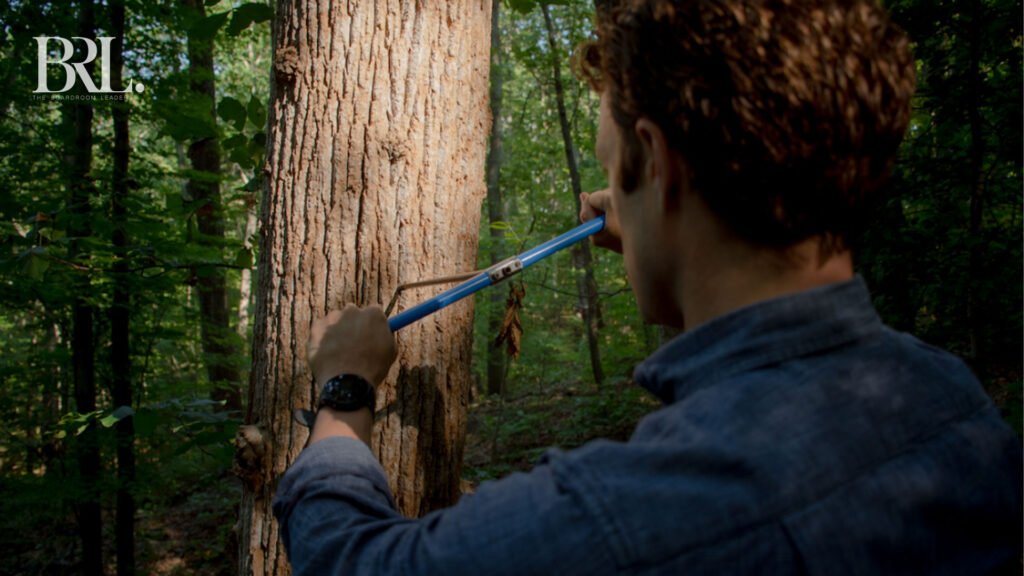
Shinrin-yoku is not just a pleasant afternoon walk in Japan; it is a formal, research-backed, and medically recognized form of preventative healthcare, conceived not by wellness influencers but by the government. It emerged as a direct response to karōshi, the Japanese term for death from overwork, a crisis that started in the 1980s as Japan’s economic boom pushed workers to breaking point.
Studies found that adults who spent three days on a forest retreat showed a 50% increase in natural killer (NK) immune cells, along with higher levels of anti-cancer proteins, effects linked to aromatic compounds called phytoncides released by trees.
Americans living through burnout culture, a post-pandemic mental health reckoning, and 60-hour work weeks are, in other words, living through the same crisis that produced shinrin-yoku in the first place. No wonder it’s resonating.
The broader Japanese wellness philosophy feeds this trend too. Concepts like wabi-sabi, finding peace in imperfection and impermanence, are showing up in American interior design, therapy practices, and mindfulness apps. It’s not appropriation so much as desperate adoption. The American wellness industry is reaching for frameworks that actually hold.
Thai Wellness: More Than a Massage
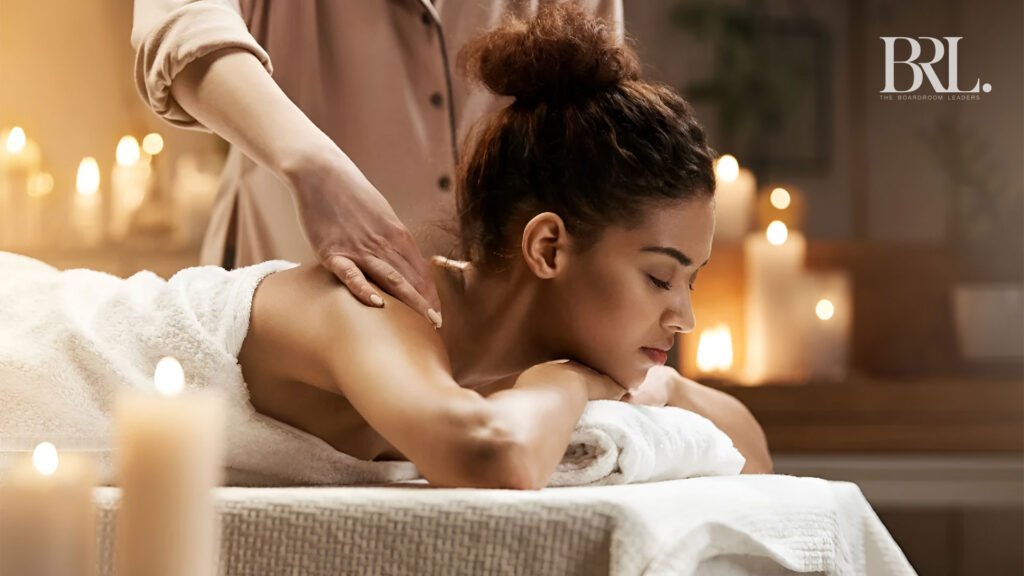
Walk into any mid-size American city, and you’ll find at least one Thai massage studio within a few blocks. What once felt exotic is now as routine as a yoga class, and for good reason. Thai massage therapists use a deeper level of pressure than most modalities, often walking or kneeling on clients, with a focus on improving mobility, circulation, immune response, and anxiety reduction.
Thailand’s wellness tradition runs deeper than massage, though. It encompasses herbal medicine, Buddhist-influenced mindfulness practices, and a relationship with the body that is decidedly preventive. Thai wellness businesses grew by 28.4% from 2022 to 2023, the highest growth rate in the world, and Thailand’s government has made wellness a central pillar of national economic policy.
That institutional investment is starting to shape what reaches American consumers. Thai herbal ingredients, turmeric, lemongrass, and galangal, are turning up in wellness supplements, teas, and spa menus as part of a broader appetite for plant-based, tradition-rooted alternatives to pharmaceutical products.
According to a 2025 survey by the American Massage Therapy Association, 91% of individuals now consider massage beneficial to their overall health, and 24% received a direct recommendation from their doctor to seek massage therapy. Thai massage, with its full-body pressure and mobility focus, sits at the intersection of two things Americans increasingly want: therapeutic results and a sense of ritual.
What Ties Korean, Japanese, and Thai Wellness Together
Here’s what’s interesting: K-beauty, shinrin-yoku, and Thai massage don’t look like they belong in the same sentence. One is a 10-step skincare system. One is a quiet walk in the woods. One involves a stranger kneeling on your back.
But they share a core idea, wellness as a long-term relationship with your body, not a short-term transaction. Prevention over cure. Ritual over remedy. Patience over panic.
That is almost the opposite of how most American wellness products are marketed. The “30-day transformation” promise. The “detox tea.” The crash diet. Americans are increasingly skeptical of all of it, and they’re looking for something with more roots.
The Bigger Shift Happening in American Wellness
Asia has now overtaken Europe and the Americas in wellness tourism, recording a staggering 562 million wellness-related trips annually. Some of what drives that travel is coming home with the people who take it. Americans who visit Seoul’s skincare clinics, Thailand’s herbal spas, or Japan’s forest therapy trails are bringing those practices back. And the demand is growing. Nation Thailand
The Korean, Japanese, and Thai wellness surge in America isn’t really about novelty. It’s about need. The U.S. is dealing with chronic stress, rising rates of anxiety, burnout across every industry, and a healthcare system that largely treats symptoms after they appear. These Eastern traditions offer something different, not a replacement for medicine, but a philosophy that treats the body as something worth tending before it breaks.
And maybe that’s the thing worth sitting with. America didn’t fall in love with snail mucin or forest walks because they’re trendy. It fell for them because somewhere, quietly, people stopped waiting to feel better and started trying to stay well.