



Someone scrolled past your ad. They didn’t read it, didn’t process it, didn’t remember your brand name. The whole thing lasted maybe 1.3 seconds, and that’s on a good day.
- What Is the Short Attention Economy?
- Short Attention Economy by the Numbers
- How Brands Are Winning the 5-Second Decision
- Lead With Emotion, Not Explanation
- Micro-Content as the Gateway Drug
- Platform-First Thinking
- What Does Authentic Look Like When You Have 3 Seconds?
- The Brands That Get It Right
- So, Is Long-Form Dead?
- The Real Game: Earn Attention, Then Keep It
Welcome to the short attention economy, where the fight for consumer attention has moved from billboards and 30-second TV spots to the brutal reality of the first few seconds of a video. Brands that haven’t adapted aren’t just struggling. They’re invisible.
What Is the Short Attention Economy?
The short attention economy describes the modern digital environment where consumer attention has become the scarcest and most valuable resource a brand can earn. As content volume has exploded, the window to capture a viewer’s interest before they scroll, skip, or swipe has collapsed to just a few seconds.
It’s not that people have become lazy or disengaged. It’s that they’re navigating an overwhelming flood of competing content. A widely cited Microsoft Canada study found that the average human attention span dropped from 12 seconds in the year 2000 to just 8 seconds by 2013, a decline that has only continued as smartphones and short-form platforms have reshaped how we consume information. Meanwhile, industry estimates suggest hundreds of millions of new pieces of content are published across social platforms every single day. Do the math, your content is one grain of sand on a very crowded beach.
Short Attention Economy by the Numbers
Here’s where things get uncomfortable for brands.
Research from Kantar’s Media Reactions 2024, based on interviews with around 18,000 consumers across 27 markets, shows a sharp decline in ad engagement on social platforms, with only 31% of people globally saying social media ads capture their attention, down from 43% the previous year. That’s not a slight dip. That’s a structural collapse in consumer willingness to engage with brand messaging.
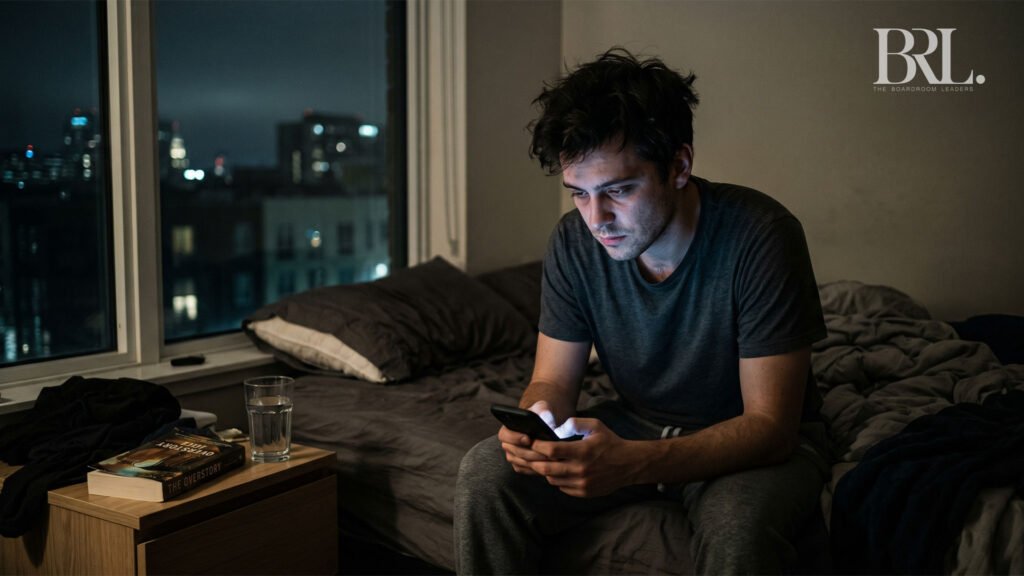
It gets sharper for younger audiences. According to a global study by Yahoo and OMD Worldwide, Gen Z loses active attention for online ads after just 1.3 seconds, less than any other age group. And according to creators who’ve tested the data firsthand, those using a hook-in-first-3-seconds strategy report a 58% increase in average video watch time compared to content without a strong opening.
The cost of chasing attention is rising fast, too. According to industry data cited in the “Attention Economy: The New Reality of B2C Marketing” report, CPC increased by 5.2% year-over-year in 2024, while CPM rose by 11.3%, with TikTok CPC up 18% and Snapchat CPM surging by 47%. More money spent, less attention earned. That’s the short attention economy in practice.
How Brands Are Winning the 5-Second Decision
So how are the smart ones doing it? Not by shouting louder, but by rethinking the entire opening act.
Lead With Emotion, Not Explanation
The most common mistake brands make on short-form platforms is leading with explanation before earning interest. Audiences don’t want a briefing; they want an immediate feeling: curiosity, laughter, awe, or recognition. Emotion is the currency of attention. Context can wait.
Think about how Red Bull never opens with “our product gives you energy.” It opens with a cliff. A jump. A feeling. And then the brand follows. That sequence, emotion first, information second, is the core mechanic of winning in the short attention economy.
And the data backs it up. According to Facebook’s own video research, nearly 65% of people who watch the first 3 seconds of a video will continue watching for at least 10 seconds, and 45% will stay for 30 seconds or more. The first three seconds aren’t the intro, they’re the audition.
Micro-Content as the Gateway Drug
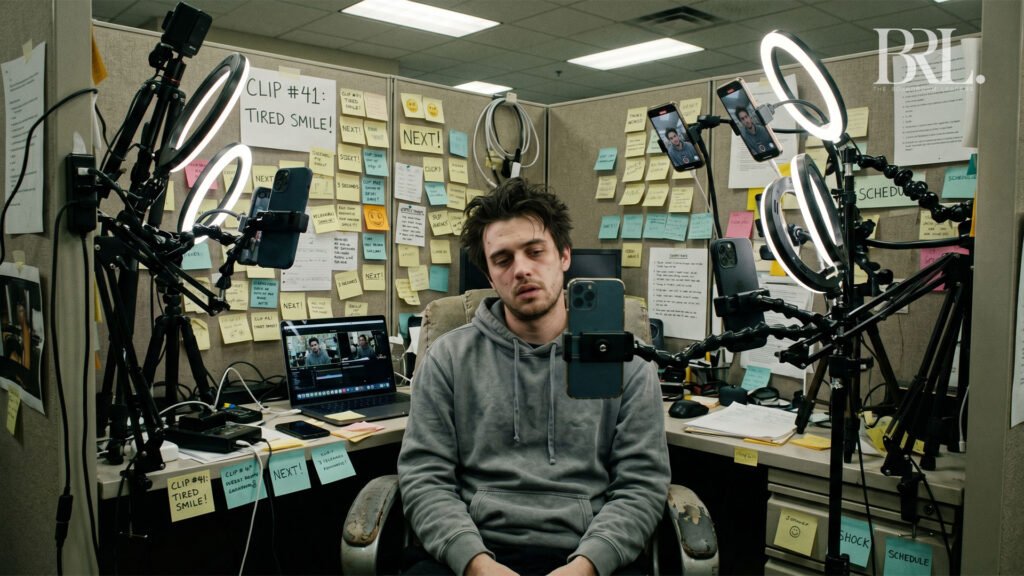
Micro-content lowers the barrier to entry on both sides. Instead of spending weeks producing polished long-form campaigns, brands can create multiple short pieces quickly, test what resonates, and scale the winners. That’s not a compromise on quality, it’s a smarter sequencing strategy.
Micro-content captures attention. Mid-form content sustains it. Long-form content converts. The funnel hasn’t disappeared; it’s just been reordered, with the hook doing the heavy lifting upfront. Once you’ve earned those first few seconds, you can move audiences into deeper content ecosystems, blogs, email lists, communities, and YouTube deep-dives.
Platform-First Thinking
Here’s what a lot of brands still get wrong: they produce content first and format it for platforms second. That’s backwards.
Short attention spans behave differently depending on where the scroll happens. What hooks on TikTok might completely flop in a LinkedIn feed. Adapting content isn’t about copying; it’s about designing for each platform’s specific attention patterns from the start. And with 85% of users watching video without sound, bold captions and visual storytelling aren’t optional extras; they’re the whole game.
What Does Authentic Look Like When You Have 3 Seconds?
This is where brands overthink it. “Authentic” doesn’t mean raw and poorly edited. It means relatable. Real. Specific.
According to HubSpot’s 2025 Social Media Marketing Report, surveying over 1,100 global marketers, 76% believe that authentic, relatable content outperforms polished, high-production content. Audiences have developed a finely tuned instinct for brand fakery. They can tell when a company has spent $200K producing a video that somehow still feels hollow.
Trust isn’t built through production value. It’s built through consistency, specificity, and the sense that a real human, or at least a very human brand voice, is on the other end of the screen. Only 36% of consumers trust traditional brand advertising, and that number is lower still for Gen Z (Yahoo/OMD Worldwide). You don’t win back trust with a bigger budget.
The Brands That Get It Right
A few names keep coming up in this conversation, and for good reason.
Duolingo turned a language-learning app into a viral content machine by embracing chaotic, lo-fi video. Their TikTok presence is built entirely on tension, humor, and shock, all in under 10 seconds. Nobody scrolls past a deranged green owl having an existential crisis. Behind every viral moment is a simple truth: they know their audience too well to be ignored.
Sephora has taken a more tactical approach. According to industry reporting on their 2025 Instagram Reels campaigns, by opening videos with blurred product shots and holding the reveal to the end, they saw significant lifts in average watch time and engagement compared to their standard product content. That’s the “payoff preview” hook in action: promise the reveal, make them stay.
Nike doesn’t lead with shoes. It leads with human grit, a runner at 5 a.m., a kid shooting hoops in the rain. By the time the swoosh appears, you’re already emotionally invested. Apple runs the same playbook: it doesn’t advertise computers or phones, it sells a lifestyle and an identity. The iPhone launch ads don’t list specs; they show experiences. Apple Stores aren’t retail spaces; they’re brand immersion hubs.
So, Is Long-Form Dead?
No. But it’s not the front door anymore.
Long-form content still has real value, especially for education, brand storytelling, and converting buyers who are deep in the decision process. But the gateway to audience attention is now short-form. Micro-content attracts, and once you’ve earned attention, you can move users into longer content ecosystems.
And yet, a 2025 study found that 52% of respondents admitted they skipped videos longer than 60 seconds, even when the topic genuinely interested them. That’s a remarkable stat. People will skip content they actually want if it doesn’t hook them fast enough.
The short attention economy doesn’t kill depth. It gatekeeps it.
The Real Game: Earn Attention, Then Keep It
The short attention economy is not a problem to solve. It’s the context you’re building in now, whether your brand acknowledges it or not.
The real winners won’t be the brands with the biggest budgets or the slickest production crews. They’ll be the ones brave enough to prioritize mental availability over short-term clicks, to invest in brand as much as demand, and to create work that’s distinctive, credible, and deeply human.
That means rethinking every creative brief. Instead of “what do we want to say?” the question becomes “why would anyone stop scrolling for this?” Start there. Design every piece of content, from the first frame to the thumbnail to the caption, around that one question.
Audiences rarely remember how long your content was. But they always remember how it made them feel, and how fast.
Five seconds is not a limitation. For the brands that understand it, it’s a superpower.