


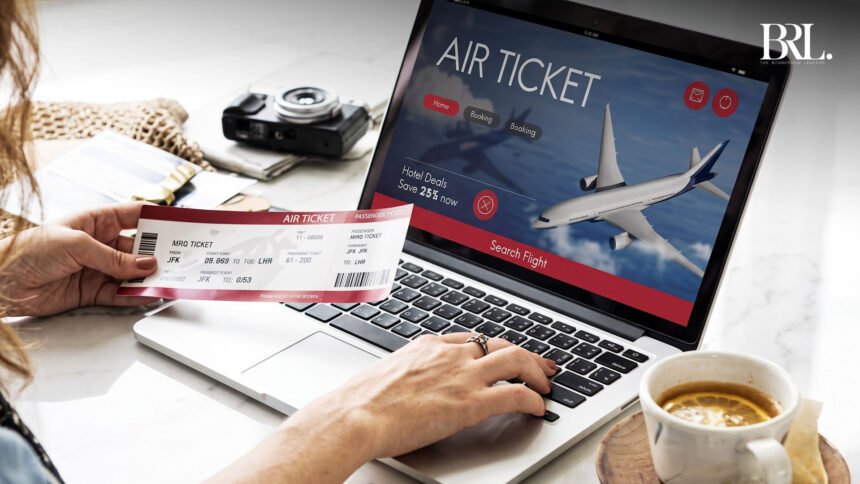
Somewhere right now, a traveler is staring at an email that knows things it shouldn’t. The right hotel name. The right dates. A confirmation number that actually matches theirs. And one line asking them to “re-verify” a card to keep the room. It’s not a lucky guess; it’s a business model. Forged booking sites have gotten good enough that the old advice (“watch for typos and bad grammar”) barely applies anymore. Here’s what actually still works.
- Why Forged Booking Sites Are Fooling Even Careful Travelers
- Read the URL Like a Detective
- Watch for AI-Forged Photos and “Too Perfect” Confirmations
- Reverse-Search the Photos and Cross-Check the Reviews
- Why Scammers Already Know Your Reservation
- Vacation Rentals Have Their Own Version of This Scam
- Quishing and Other New Angles on the Same Old Trick
- The “Customer Service Rep” Might Be an AI Voice
- Don’t Trust the Top Search Result Just Because It’s an Ad
- Charter Flights That Don’t Actually Exist
- Can I Get My Money Back From a Forged Booking Site?
- If You Paid by Credit Card
- If You Paid by Wire, Crypto, or Gift Card
Why Forged Booking Sites Are Fooling Even Careful Travelers
The FTC’s June 2026 consumer alert flagged a rise in vacation scams heading into summer, everything from fake travel websites to bogus toll texts to fraudulent charter flights that leave people stranded at the gate. The scale is real: consumers filed more than 64,000 fraud reports tied to travel, vacations, and timeshares in 2025 alone, with reported losses of roughly $274 million, and since most fraud never gets reported, the actual number is almost certainly higher.
Part of why these sites work so well now is speed. Fraudsters no longer need days to fake a convincing hotel page; AI tools can generate hyper-realistic room photos, complete with logos, correct terminology, and reservation details that look entirely legitimate, in minutes. A domain that’s a single letter off from the real brand, some scraped photography, and a working chat widget is often all it takes.
Read the URL Like a Detective
This is the cheapest defense you have, and it’s the one people skip. Scammers register lookalike domains, an extra word, a swapped letter, a “-support” or “-deals” tacked on the end, betting you’ll skim past it. Type the address yourself instead of clicking through a text or an ad. Ten extra seconds, and most forged sites lose their entire advantage.
Watch for AI-Forged Photos and “Too Perfect” Confirmations
Weirdly, polish itself has become a red flag. Reach companies through channels you control, pay with a card, and treat any surprise confirmation as something to verify rather than something to click, because today’s fake confirmations are built to look indistinguishable from the real thing. If a room looks too flawless, or a confirmation email arrives with unusual urgency, that’s worth a second look, not a fast click.
Reverse-Search the Photos and Cross-Check the Reviews
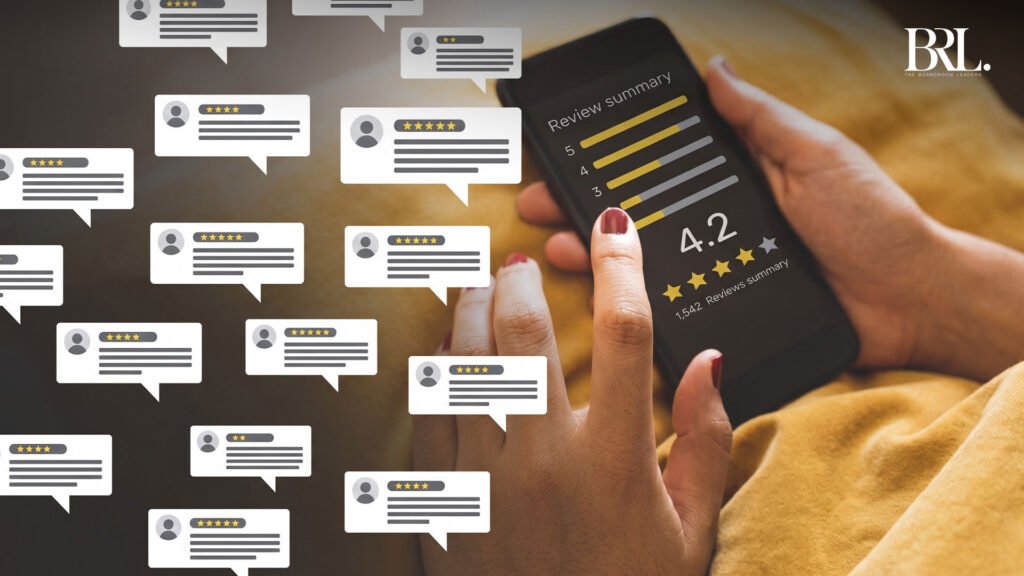
Here’s a habit most travelers never think to build: right-click a listing’s main photo and run a reverse image search before you book. It sounds tedious. It takes fifteen seconds, and it catches an entire category of scam. Fraud researchers have noted that AI-generated reviews have quietly erased the old warning signs, the typos, the awkward phrasing, the sloppy grammar people used to watch for. A listing with glowing, grammatically perfect reviews isn’t automatically safe anymore. It’s just better disguised.
Why Scammers Already Know Your Reservation
Here’s the part that makes 2026’s version of this scam different: it’s often not a guess. In April 2026, Amtrak disclosed a data exposure affecting more than 2.1 million customer accounts, and in June, Carnival confirmed a breach, traced to a social engineering attack on a single employee account, exposing names, contact details, dates of birth, and in some cases government ID numbers for nearly 6 million people. That data becomes fuel. A scammer who already knows you have a cruise booked doesn’t need a generic phishing blast; they can send something built specifically for you.
This pattern isn’t new, either; it’s just gotten more efficient. Fraudsters have been hijacking hotel accounts on major booking platforms to message real guests directly, posing as staff to request “confirmation” payments through the platform’s own messaging tools. Would you question a message that already has your correct dates and room type? Most people don’t. That’s exactly the point.
Vacation Rentals Have Their Own Version of This Scam
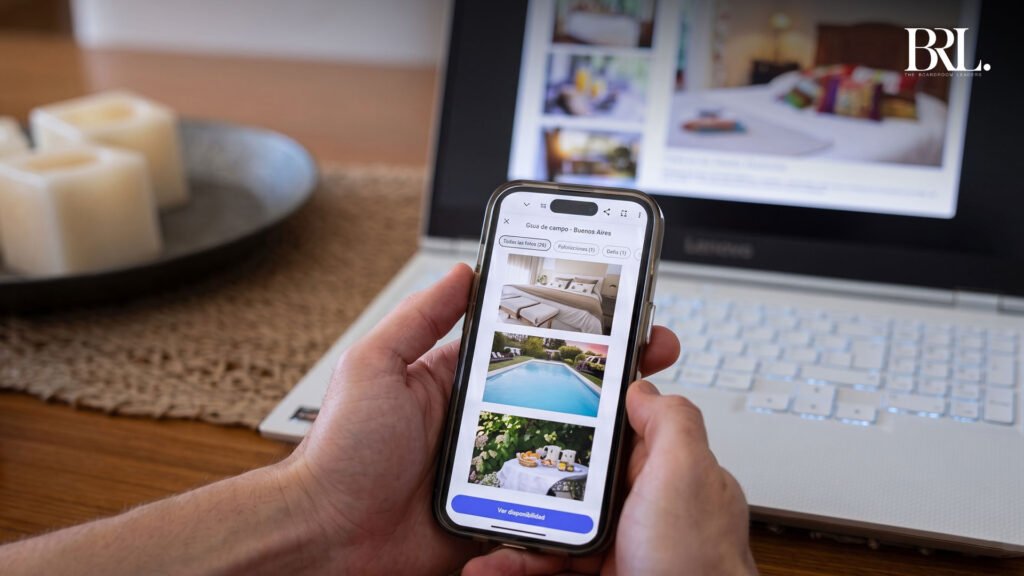
Hotels aren’t the only target; vacation rentals have arguably gotten worse. One method now circulating involves scammers who hijack the accounts of real property owners on Airbnb, VRBO, or Booking.com, leaving the actual listing untouched so it still looks completely legitimate. They simply wait for a genuine booking to come in, then intercept the guest messages that follow, redirecting payment somewhere it shouldn’t go.
The lower-tech version is just as costly: fraudsters lift real photos and descriptions from a Zillow or Airbnb listing and repost them on Craigslist or Facebook Marketplace at a lower price. Travelers wire a deposit directly to a bank account and arrive to find a property whose actual owner has never heard of them. Booking exclusively through established platforms, the ones offering host verification and buyer protection for fraudulent listings, closes off most of this risk.
Quishing and Other New Angles on the Same Old Trick
QR codes have joined the toolkit too. Fraudsters print stickers with fake codes and paste them over legitimate ones on parking meters, hotel signage, and restaurant tables, a tactic researchers now call “quishing.” Scan one, and you’re routed to a payment page built to steal your card, or worse, to install something on your phone.
Be skeptical of any QR code that looks stuck onto an existing surface rather than printed as part of it. When something feels off, type the business’s actual address into your browser instead.
The “Customer Service Rep” Might Be an AI Voice
This is the one that catches people off guard, because it doesn’t involve a website at all. Voice-cloning tools now need only a few seconds of sample audio to recreate a convincing human voice, and scammers have started deploying them as fake airline and hotel “support agents” who walk travelers through a fraudulent refund or booking “verification” over the phone. The FBI has flagged this as one of the fastest-growing scam categories of the year; Americans lost more than $893 million to AI-related fraud in 2025, with voice cloning a major driver.
If a call about your trip creates urgency and asks for payment or personal information, hang up. Call the airline or hotel back using a number you look up yourself, never one the caller gives you, and never the “callback” option in a text you didn’t request.
Don’t Trust the Top Search Result Just Because It’s an Ad
A traveler in the UK searched for Virgin Atlantic’s customer service number, clicked the sponsored result at the top of the page, and got connected to someone who sounded exactly like airline support. She was told her flight was at risk without an immediate payment. She approved a £370 charge on the spot. The confirmation email that followed came from a domain that had nothing to do with the airline. The money never came back.
This works because ranking at the top of a paid search result only proves someone paid for the ad slot; it says nothing about who’s actually behind it. Security researchers have even documented scammers running these ads through hijacked accounts belonging to real, legitimate businesses, which lets the fraud slip past ad-platform fraud detection more easily. Skip the search results entirely when you need to contact an airline or hotel. Use the number printed on your actual confirmation email or the company’s official app.
Charter Flights That Don’t Actually Exist
This one is less common but far more expensive when it hits. Some fraudulent travel agencies sell seats on charter flights that were never scheduled to fly, and because charters don’t show up on regular airline schedules, they’re harder to sanity-check at a glance. There’s a real way to verify one, though: legitimate public charter flights are registered with the Department of Transportation and listed in a public database, and operators are required to hold collected funds in escrow until the flight actually happens, specifically so refunds are available if it doesn’t. If an agency can’t point you to that registration, treat the “deal” as fiction.
Can I Get My Money Back From a Forged Booking Site?
It depends almost entirely on how you paid. Credit cards carry real dispute rights and a genuine shot at a chargeback. Wire transfers, crypto, and gift cards offer almost no path to recovery once the money moves, which is exactly why scammers push so hard for those methods.
If You Paid by Credit Card
Call your card issuer’s fraud line right away and open a dispute; federal billing-error rules generally give you about 60 days from the statement date, so don’t wait. You can report travel fraud to the FTC at ReportFraud.ftc.gov and to the FBI at ic3.gov; it won’t recover your money by itself, but it feeds the data law enforcement uses to track and shut these operations down.
If You Paid by Wire, Crypto, or Gift Card
Move fast anyway. For a gift card, call the retailer immediately; there’s sometimes a narrow window to freeze the balance before it’s cashed out. For a wire, contact your bank’s fraud department the moment something feels wrong; your odds drop with every hour that passes. File with the FBI’s Internet Crime Complaint Center at ic3.gov regardless.
None of this means treating every hotel email like a threat. It means building one habit: before you type a card number into any travel site, take the ten seconds to actually check where you are. Forged hotel booking sites depend entirely on speed, yours, not theirs. Slow down, and most of them stop working completely.