


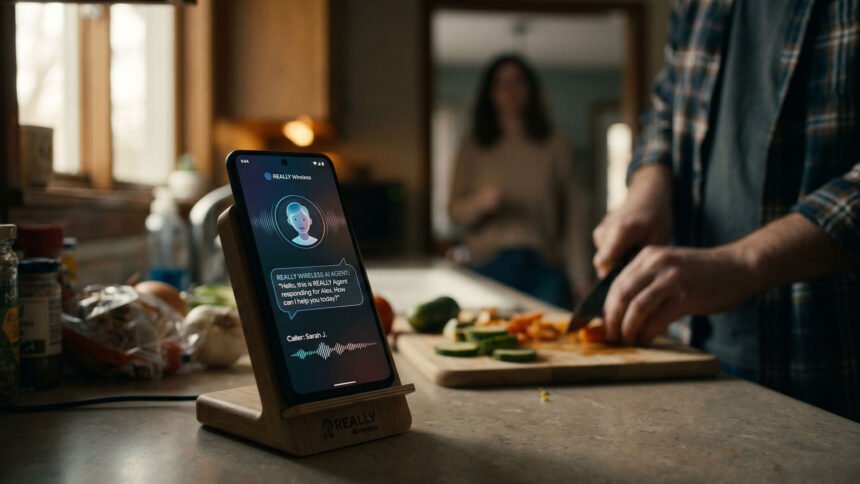
A new entrant, REALLY Wireless, says it is building exactly that, positioning itself as an AI-native wireless carrier designed to move beyond traditional telecom services. Instead of focusing only on data and voice plans, the company is centering its offering around automation, where software can respond, act, and communicate on behalf of users.
Company Announces AI-Based Calling System
REALLY Wireless said its platform, positioned as a REALLY Wireless AI cell carrier, includes what it calls AI clone technology. According to the company’s official announcement, this system is designed to respond based on user preferences and instructions to manage routine phone interactions.
The company stated that the technology can
- Answer incoming calls
- Make outbound calls using the user’s number
- Respond based on prior instructions or context
These functions are intended to reduce the need for users to handle repetitive or time-consuming calls directly.
Built at the Carrier Level
Unlike smartphone-based assistants, REALLY Wireless said its system operates at the network level. This means the AI is integrated into the carrier service itself, rather than working as a standalone application.
As a model that describes it as an AI-native wireless carrier, the company is positioning this approach as a core part of its infrastructure. The system is designed to function when enabled, allowing users to remain reachable even when they are unavailable.
The company also confirmed that its service runs on existing U.S. telecom infrastructure through a network partnership, enabling nationwide coverage without building separate physical networks.
Features and Use Cases
The REALLY Wireless AI cell carrier model focuses on automating everyday communication tasks. According to the company, users can rely on the system for handling common scenarios such as:
- Screening unknown or spam calls
- Managing appointment confirmations
- Communicating with service providers
The AI clone technology is presented as a way to maintain consistent responses. The company has not released detailed technical information on how the system is developed or operates internally.
Early Stage With Open Questions
While the concept the company describes as an AI-native wireless carrier introduces a new direction for telecom services, several aspects remain unclear. The company has not shared full details on regulatory compliance, data handling practices, or how it ensures accuracy during automated conversations.
In the U.S., automated calling systems are subject to strict regulations, especially when interacting with businesses or consumers. Any large-scale rollout would need to meet these requirements.
For now, REALLY Wireless has outlined its vision through its announcement, presenting a system that could change how users interact with their phones. The real-world performance and adoption of the service will depend on how effectively the technology works in everyday situations.