


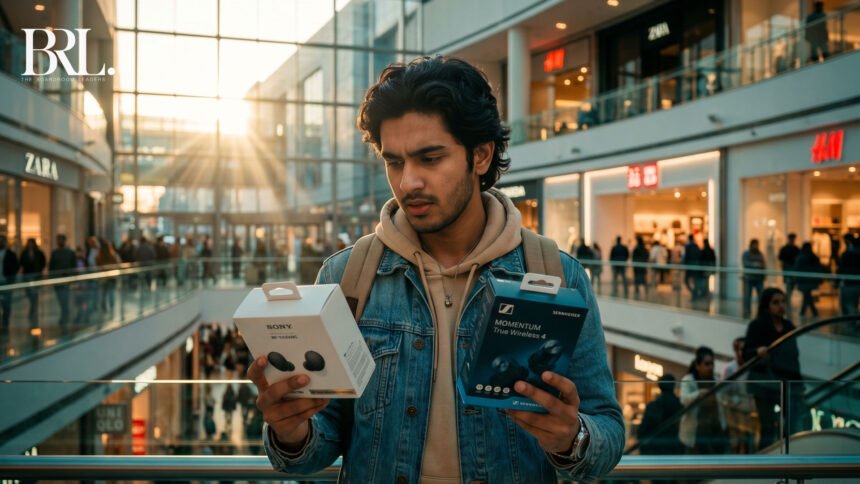
I remember tagging along with my mom to the supermarket as a kid. She’d head straight for the same detergent aisle every week, grabbing that familiar blue box without hesitation. It wasn’t just soap; it was part of our family routine, something you could always count on. Those days feel like another era now. Today, shoppers switch brands with surprising ease, scrolling for better prices, fresher trends, or companies that actually match what they believe in. The old, automatic, almost blind brand loyalty is quietly fading away.
This shift isn’t a minor marketing footnote. It’s reshaping entire industries. Recent data shows “true loyalty”, that deep emotional connection, fell to 29% in 2025, down 5 points from the year before. Overall, brand loyalty has slipped notably since 2022, with younger buyers leading the charge.
What Changed: From Habit to Hard-Earned Trust
For decades, loyalty rested on consistency, trust, and limited choices. Icons like Coca-Cola, Nike, and Apple built powerful identities that felt like tribes. You bought the product and bought into the story. Advertising reinforced it, and fewer alternatives kept people in the fold.
The internet changed the game.
Smartphones put every competitor, review, price comparison, and viral unboxing right in our pockets. Social media turned regular people into critics and tastemakers. Inflation, supply chain issues, and an explosion of options, from direct-to-consumer brands to private labels, made switching effortless. Price became a dominant factor. Around two-thirds of consumers say high prices are the top reason they ditch a brand. Many also feel companies chase flashy new-customer deals while taking longtime buyers for granted; roughly 67% believe brands value newcomers more than loyal ones.
The Generational Split, and Why Gen Z Is Different
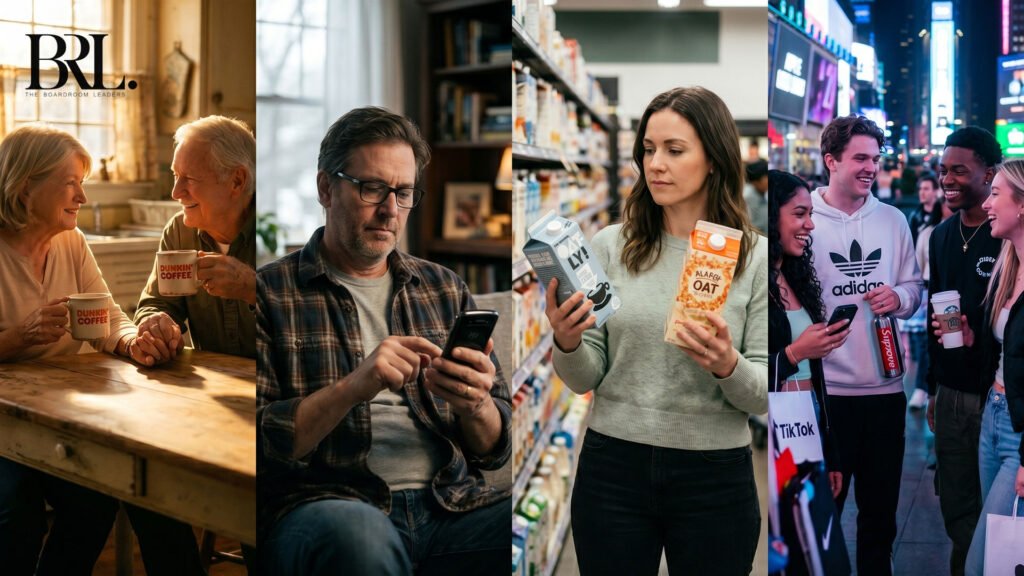
Older generations (Baby Boomers and Gen X) still show more stickiness, often out of habit. Millennials sit in the middle, pragmatic but not blindly faithful. Gen Z, however, is rewriting the rules entirely. Their overall brand loyalty hovers around 66%, noticeably lower than older groups, yet they do form strong attachments when a brand earns it.
Unlike previous generations, Gen Z didn’t grow up with limited shelves or “buy what your parents bought.” They entered the world with infinite scroll, price apps, and real-time corporate scandals on TikTok. Their loyalty is conditional, values-driven, and dynamic. They respond more to specific products, trends, and experiences than to legacy logos. Around 77% say they’re open to trying new brands, and many practice “trend loyalty”, attaching more to viral items or standout products than to the overarching brand name.
Here’s what actually drives Gen Z loyalty in 2026:
Authenticity and Transparency
They can spot inauthenticity instantly. Gen Z responds strongly to brands that show real people (not just models), share genuine behind-the-scenes content, and own mistakes publicly. Studies show that over half are more likely to stay loyal to brands that offer transparent glimpses into operations and take real accountability.
Shared Values and Social Impact
Buying is often a value statement. Sustainability, diversity, ethical labor, and social responsibility matter deeply. A significant portion, around 59%, will walk away from brands that clash with their beliefs. They’re willing to pay more for products that align, but only if the commitment feels genuine. Performative activism gets called out fast. Brands like Patagonia have built fierce followings by consistently walking their talk.
Quality, Value, and Price Reality
Values don’t cancel out practicality. Consistent product quality ranks as a top driver, with many citing reliability over clever marketing. At the same time, Gen Z is financially sharp, shaped by economic uncertainty and inflation. Over half will switch for a better deal or a dupe that performs just as well. They appreciate transparent pricing and real value.
Experiences, Personalization, and Community
Loyalty feels emotional and experiential. They love relevant (not creepy) personalization, seamless apps, fast service, and flexible policies. Community matters, brands that create belonging, offer exclusive drops, collaborations, or VIP access win big. Gamified, fresh loyalty programs that feel like experiences rather than point-chasing also perform well.
Social Proof and Entertainment
Influencers, user-generated content, and viral moments carry huge weight. Many follow brands as much for entertaining, relatable content as for products. A funny or culturally sharp feed can keep them engaged between purchases.
This isn’t flakiness, it’s informed, empowered choosing. Gen Z forces brands to be better across the board.
The Forces Driving the Broader Shift
Infinite Choice and Transparency: Amazon, Shein, and endless reviews make comparison shopping instant.
Economic Pressure: Value often beats nostalgia in tight budgets.
Experiences Over Everything: Poor service or clunky journeys kill loyalty faster than price alone.
Values and Virality: One misstep on ethics or authenticity can end the relationship.
Loyalty Programs Falling Short: Many feel transactional. The best ones now blend rewards with genuine delight and community.
Despite the movement, most shoppers still rotate among a small set of trusted options when those options keep earning their place. Nearly 88% have tried new brands recently, but repeated disappointment is usually what causes real defection.
Stories from the Market
Starbucks watched some customers drift as prices climbed and the everyday experience felt less special. Nike has faced pushback over retail and product decisions. Traditional retailers continue losing ground to faster, trendier, more affordable players. On the flip side, Patagonia and similar purpose-driven brands prove that staying true to values creates lasting attachment. Nimble newcomers win by solving real problems and building authentic connections.
The Wake-Up Call for Businesses
Acquisition costs keep rising, making retention more valuable than ever. Loyal customers spend more, forgive slip-ups, and become advocates. Yet too many companies still prioritize new logos over nurturing their existing base.
Old tactics like blanket ads and generic points programs no longer work. Winning brands today focus on radical transparency, thoughtful personalization, memorable experiences, evolving value (quality + ethics + convenience), and frictionless journeys across every channel. Technology like AI can help with personalization, but it must support human connection rather than replace it.
What Comes Next
Brand loyalty isn’t dead; it’s evolving into something more demanding and genuine. The winners will treat it as a living relationship built on trust, respect, and consistent value that fits customers’ lives and beliefs.
This new reality challenges legacy players but creates real opportunities for agile competitors. It’s tougher for marketers, yet healthier for consumers who now hold genuine power. No brand can coast on past reputation anymore.
Companies that thrive will earn loyalty every single day through actions, not slogans. Success will show up not just in repeat purchases but in enthusiastic advocacy. In a world of endless options, the brands that stand out are those truly worth choosing, again and again.
The age of automatic, blind loyalty is ending. What’s replacing it is more dynamic, more honest, and ultimately more powerful: loyalty that must be earned every time. Brands brave enough to meet this standard, especially with Gen Z’s rising spending power, will build deeper connections than the old system ever allowed. Those who don’t will watch customers flow toward better, more aligned alternatives, one informed decision at a time.